Areas of focus
Where Movement, Load, and Performance Intersect
Every individual presentation is unique — yet certain patterns of injury and performance demand consistently emerge.
My work often centers on conditions where movement quality, load tolerance, and precision matter — whether in sport, work, or the performing arts.
My approach begins by understanding
How the system is adapting?
Where load exceeds capacity?
Which compensations are helpful — and which are not?
What is required for a meaningful return to performance?

Clinical Emphasis
Load management
Movement efficiency
Tissue capacity
Return-to-performance progression
Cervical Spine, Jaw & Upper Quarter
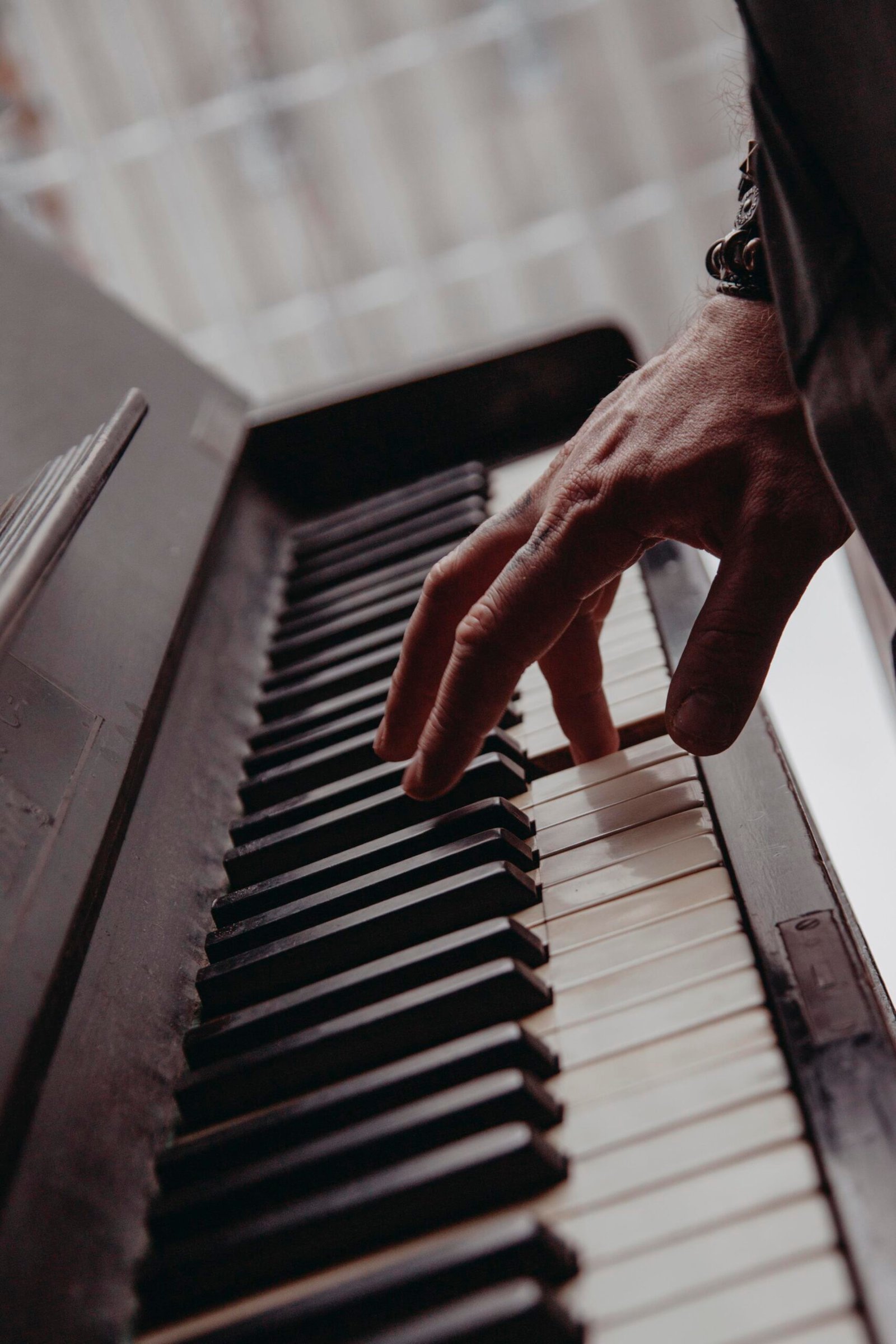
Precision-based activities — from sustained desk work to high-level music performance — place unique demands on the neck, shoulder complex, and jaw.
Persistent discomfort in this region is often less about isolated tissue damage and more about:
Endurance tolerance under sustained load
Motor coordination and scapular control
Postural strategy under precision demand
Repetitive micro-stress exceeding recovery
Treatment focuses on restoring efficient load transfer, improving endurance capacity, and refining movement strategy — not simply reducing symptoms.
Spine & Radicular Conditions
Low back and radicular presentations frequently reflect sensitivity to movement restriction and load intolerance rather than structural failure alone.
Common contributing factors include:
Deconditioning and reduced segmental control
Protective guarding and altered recruitment
Load spikes relative to tissue capacity
Fear-avoidance behaviours limiting exposure
Rehabilitation emphasizes graded exposure, motor control restoration, and progressive strength development to rebuild tolerance for meaningful activity.
Lower Limb & Load Management
Running-related injuries, tendinopathy, and hip or knee pain often emerge when tissue capacity and training load fall out of alignment.
Clinical focus includes:
Load progression analysis
Strength asymmetries and kinetic chain efficiency
Tendon capacity and elastic energy transfer
Return-to-sport planning
The objective is durable capacity — not temporary symptom suppression.
Vestibular & Balance Disorders
Dizziness and imbalance require careful assessment to distinguish peripheral vestibular dysfunction from broader sensory integration challenges.
Management may include:
Canalith repositioning techniques (when indicated)
Gaze stabilization and habituation
Sensory integration training
Gradual reintroduction to movement environments
Treatment is progressive, individualized, and grounded in measurable response.
Performance & Repetitive Strain Conditions
In musicians, athletes, and individuals in high-precision roles, symptoms often reflect cumulative load rather than acute injury.
Clinical reasoning centers on:
Efficiency of movement pattern
Load distribution across joints
Endurance under sustained demand
Recovery strategy and programming
Care aims to restore capacity while preserving technical integrity.
Post-Surgical & Complex Rehabilitation
Post-operative rehabilitation requires structured progression informed by tissue healing timelines and functional goals.
Key elements include:
Protected mobility restoration
Progressive strength loading
Neuromuscular retraining
Return-to-activity sequencing
The goal is safe, confident, and complete reintegration into meaningful activity.
Rehabilitation as Preparation
Injury management is one part of the process.
Preparation for future demand is another.
Whether the objective is daily comfort, competitive sport, or performance under lights, the underlying principle remains consistent:
Restore efficient movement.
Build capacity deliberately.
Return with confidence.